
Precision casting with excellent quality
Integrated research and development, manufacturing, sales, and technical services of laboratory scientific instruments and intelligent equipment
National Consultation Hotline 15738867410
Integrated research and development, manufacturing, sales, and technical services of laboratory scientific instruments and intelligent equipment
National Consultation Hotline 15738867410

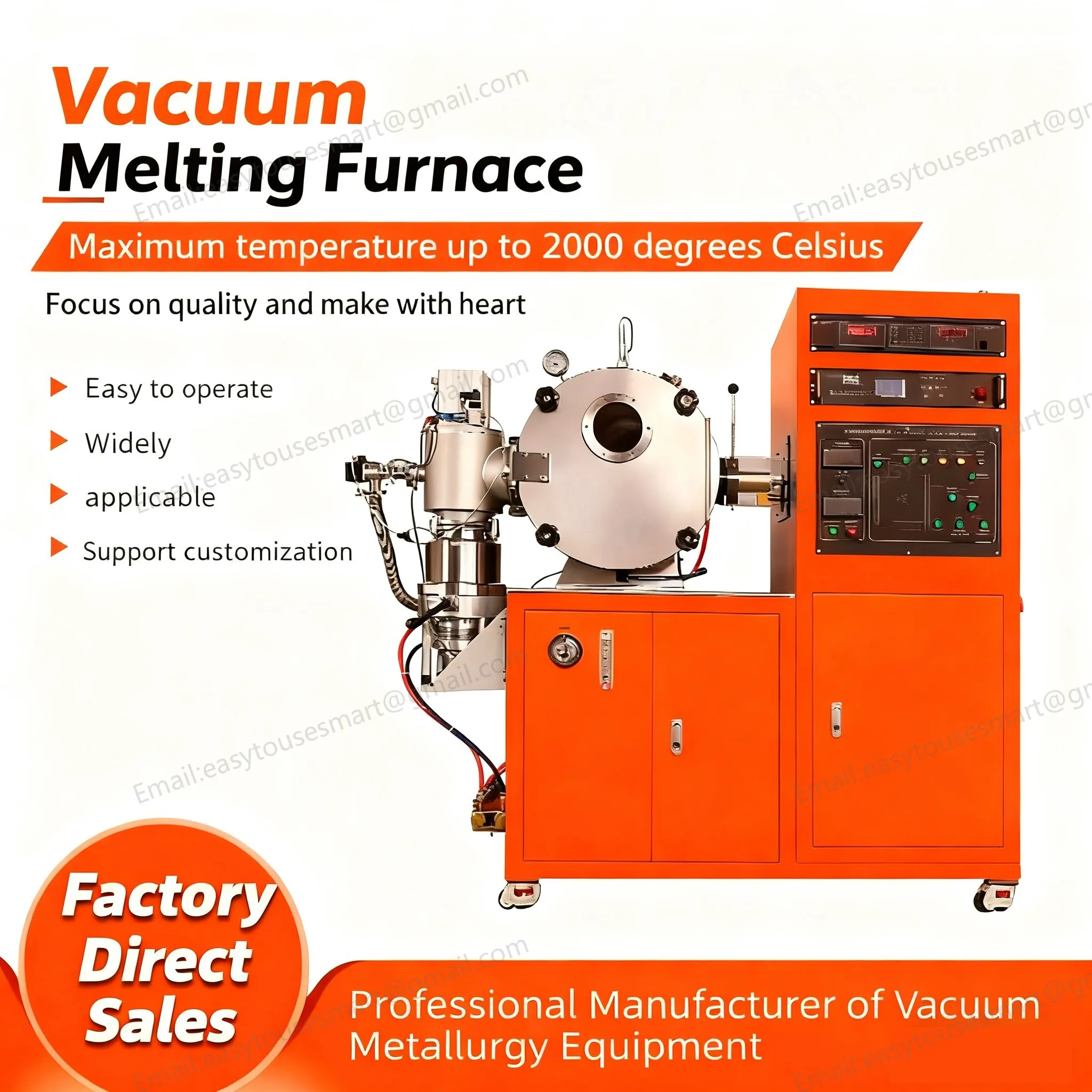
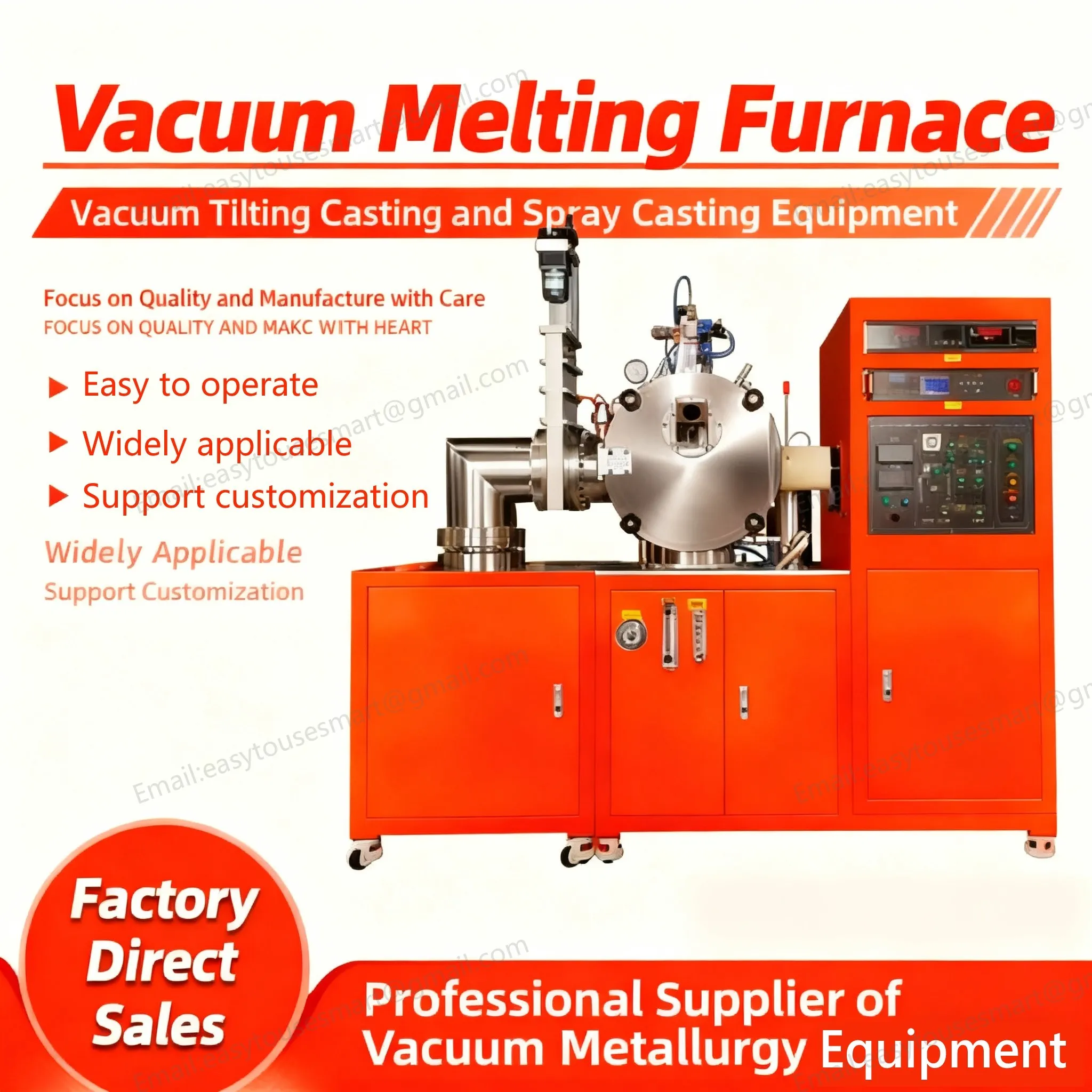
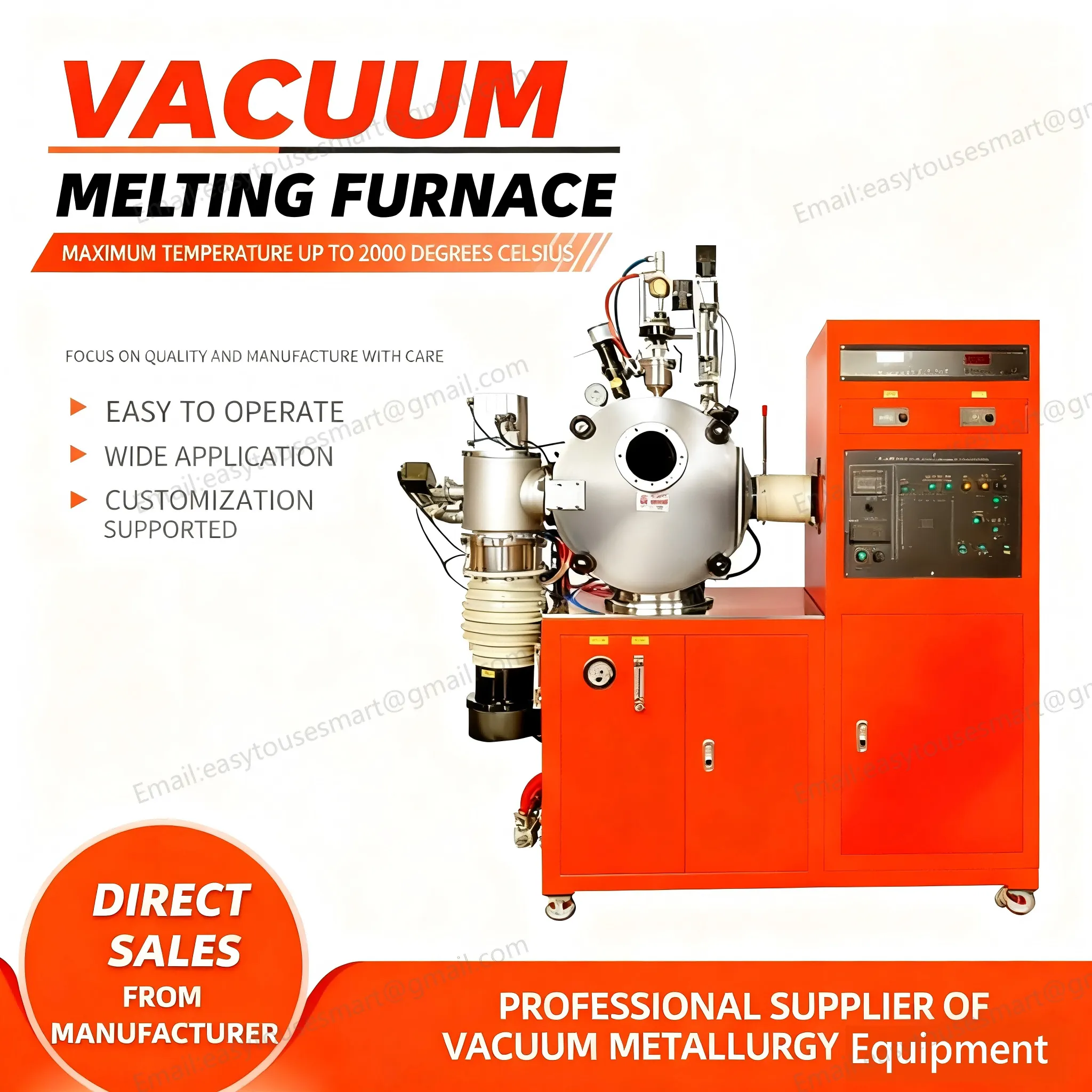
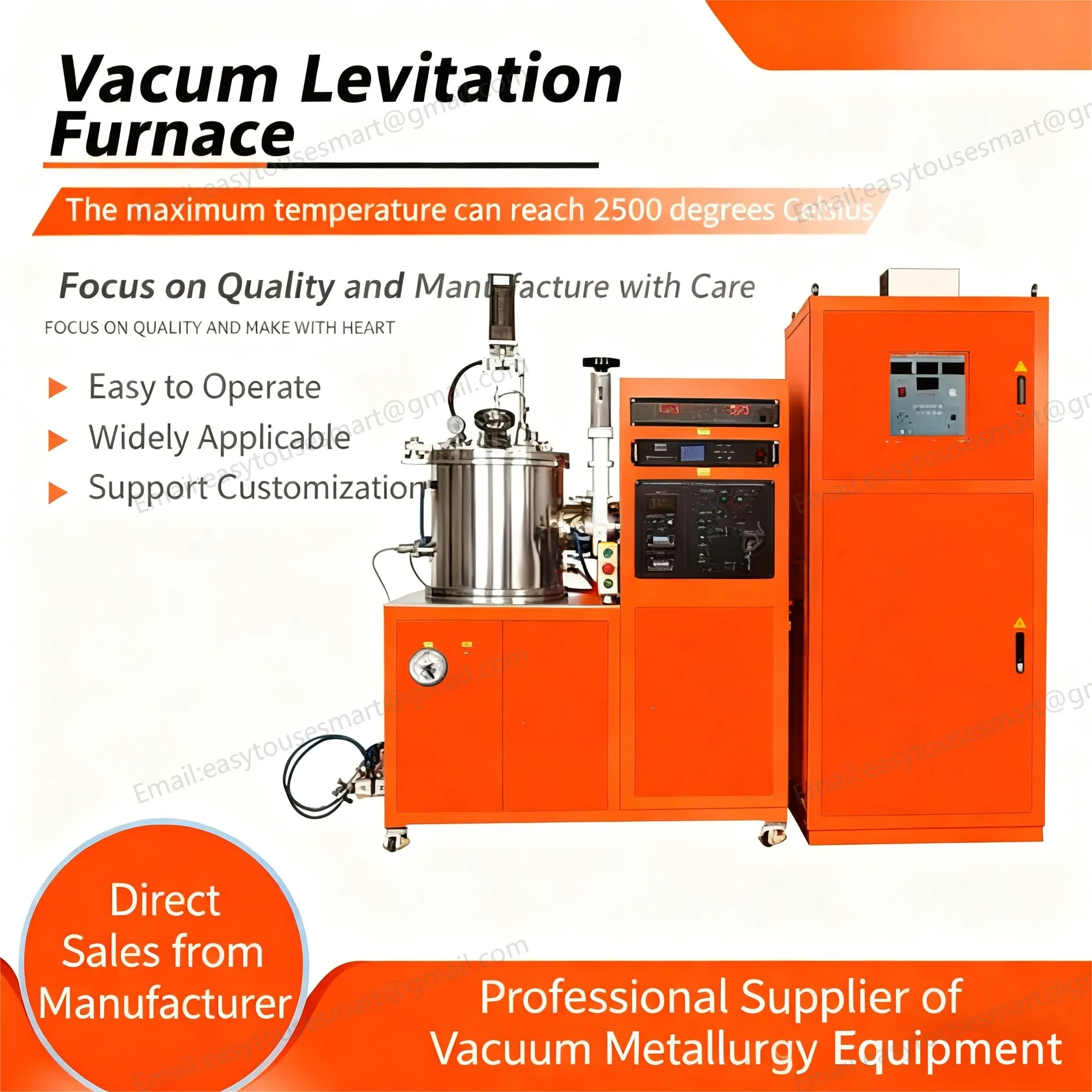
15738867410
Greenland Binhu International City (District 1), Erqi District, Zhengzhou City, Henan Province
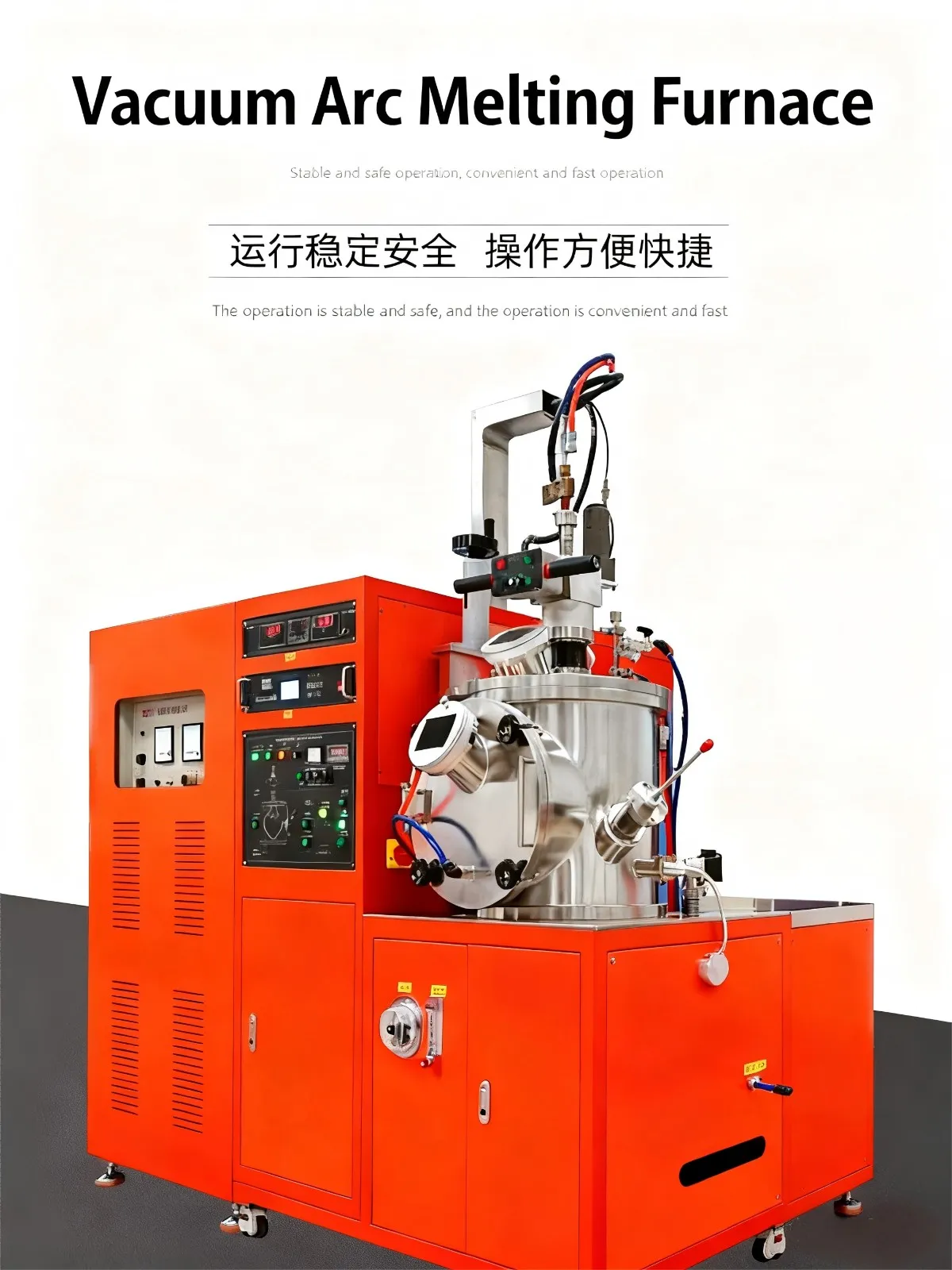
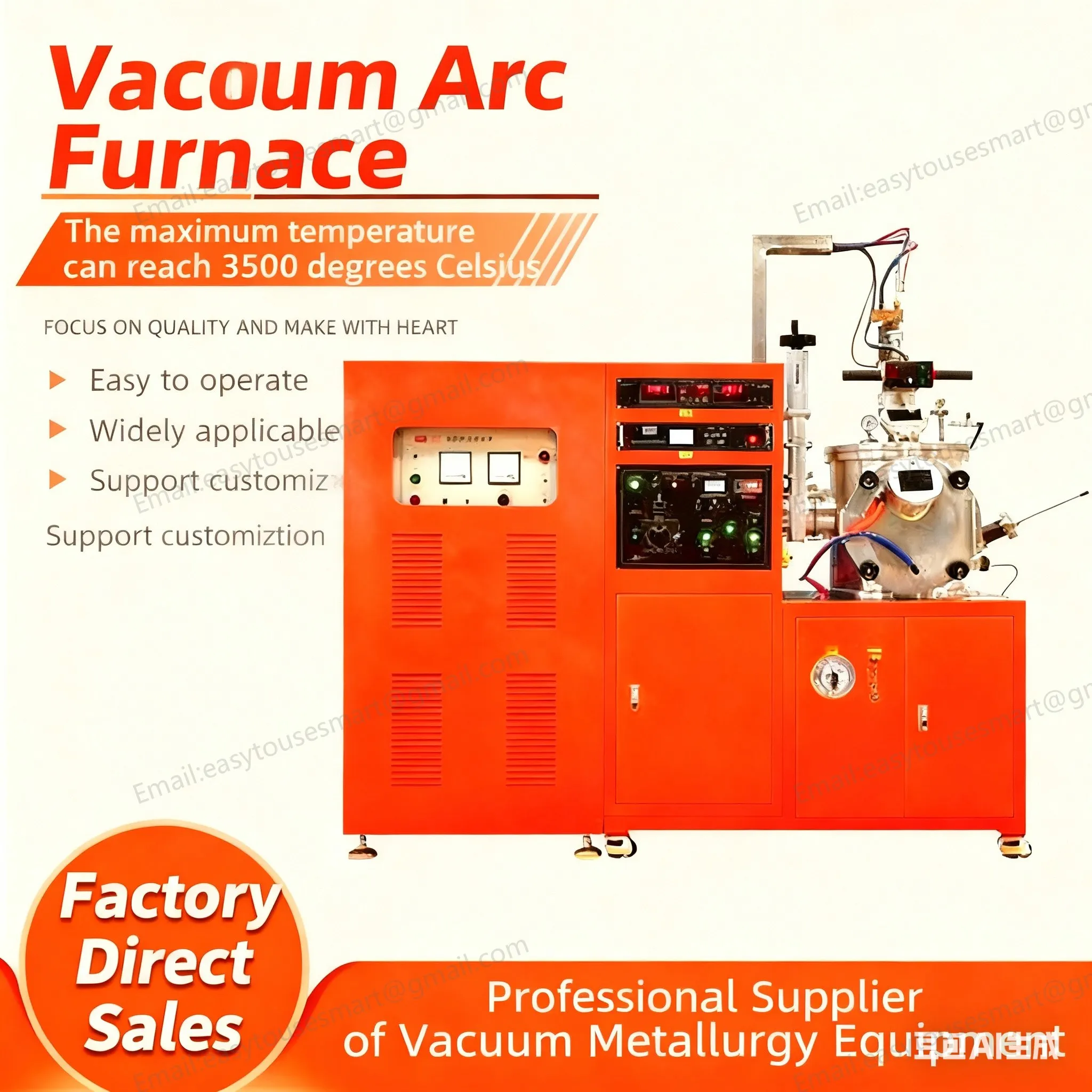
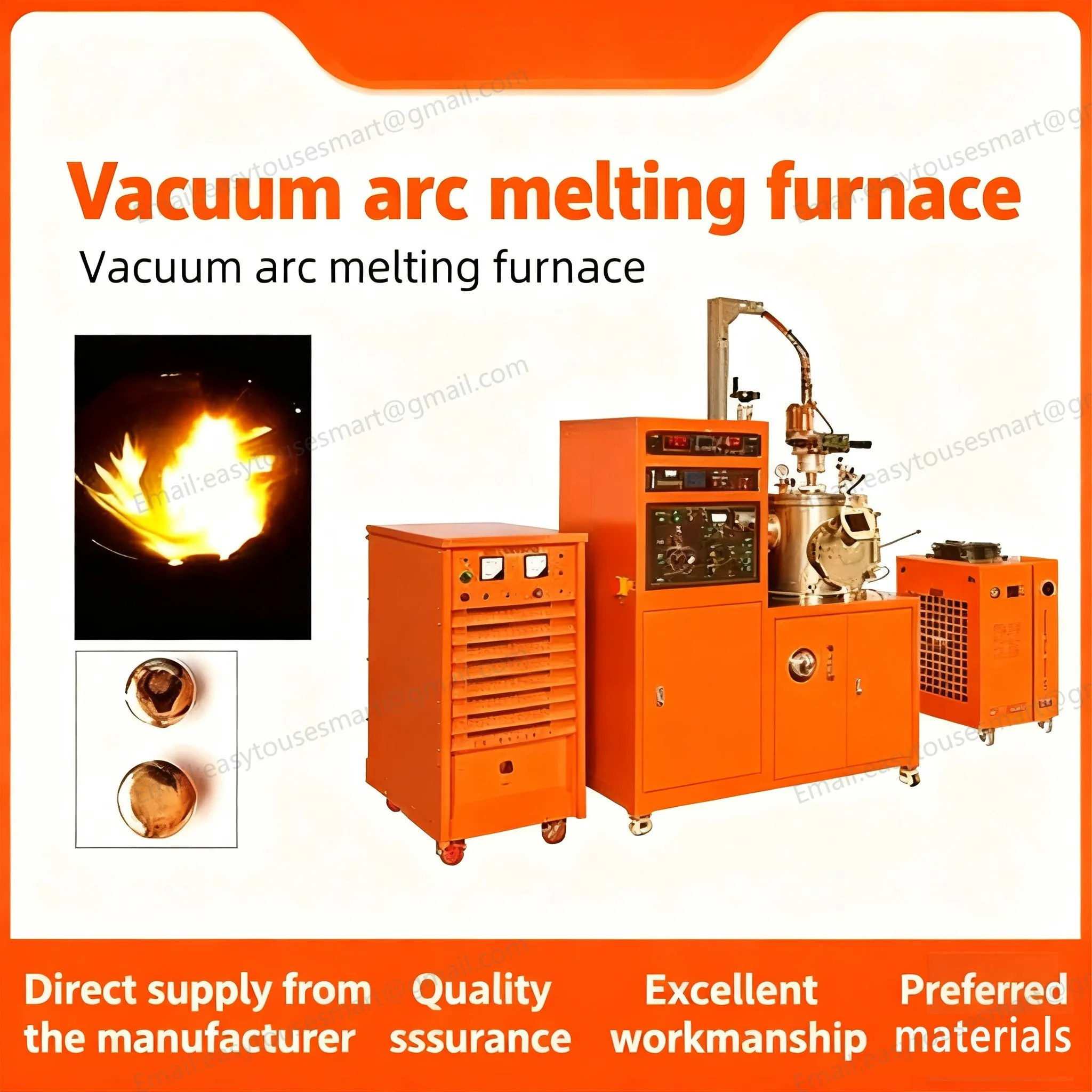
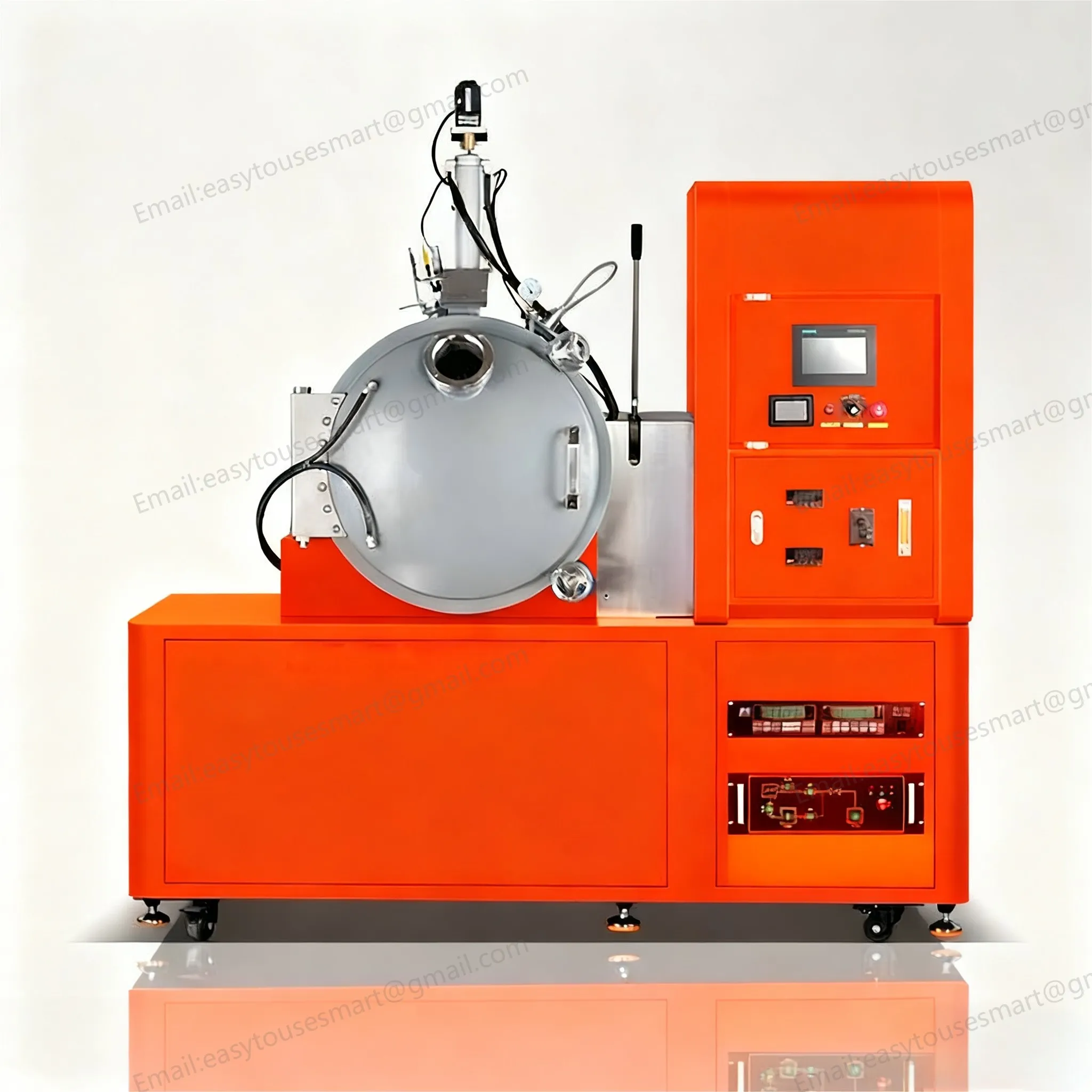
As the core equipment for smelting reactive metals like titanium and zirconium, along with high-end alloys, vacuum arc furnaces (VAFs) leverage their unique combination of "vacuum environment + arc heating" to achieve oxidation-free refining and minimize refractory material contamination. Their sealed smelting process also significantly reduces environmental impact. However, prolonged operation generates substantial dust (including metal oxide particles and electrode volatilization dust). Inadequate cleaning or improper techniques not only compromise operational efficiency but may also lead to excessive emissions. Therefore, mastering scientific "cleaning techniques" (with dust removal at their core) and implementing safety protocols are crucial for ensuring stable VAF operation.
1. Core of Vacuum Arc Furnace Cleaning Technology: 4 Key Points of Dust Removal
The "cleaning" of vacuum arc furnaces centers on dust control, requiring efforts in four key areas: dust capture, emission compliance, prevention of secondary pollution, and technical reliability, to ensure compliance with environmental standards and production requirements.
1. Dust capture efficiency: Ensure over 98% to control dust dispersion at the source
During vacuum arc furnace smelting, electrode volatilization and molten metal splashing generate substantial dust particles. Inadequate dust capture may lead to accumulation within the furnace and potential damage to vacuum system equipment. Cleaning technologies require designing appropriate capture devices (e.g., bag filters or electrostatic precipitators) based on flue gas volume and dust particle size (typically 1-10μm), ensuring a dust capture efficiency of at least 98%. This standard is fundamental to meeting China's "Emission Standard for Air Pollutants from Industrial Furnaces and Kilns" and critical for preventing electrode contamination that could compromise arc stability. For instance, insufficient capture of metallic dust during titanium alloy smelting may form conductive layers on furnace walls, increasing the risk of edge arc formation between electrodes and crucible surfaces.
2. Emission concentration: Strictly controlled below 20 mg/Nm³, in compliance with environmental protection standards
Dust emission concentration is the core compliance indicator for vacuum arc furnace cleaning technology. According to national and local environmental protection requirements (such as the "Emission Standard of Air Pollutants for Iron and Steel Industry"), the dust emission concentration from vacuum arc furnaces must be strictly controlled within 20mg/Nm³, with some regions having higher environmental standards (e.g., the Yangtze River Delta and Pearl River Delta) requiring it to be below 10mg/Nm³. To achieve this goal, high-efficiency filtration components (such as PTFE-coated filter bags) must be used, and the filter bag's seal integrity should be regularly inspected to prevent emissions exceeding the limit due to bag damage. Exceeding emission standards not only faces environmental penalties but also pollutes the workshop environment and endangers the health of operators.
3. Avoiding secondary dust emission: Optimizing the ash conveying system to reduce repeated cleaning
Secondary dust dispersion remains a persistent challenge in vacuum arc furnace cleaning operations. When the ash conveying system is poorly designed (e.g., excessively narrow chute angles or unstable pneumatic pressure), collected dust particles tend to re-erupt during transportation, creating a vicious cycle of "the more you sweep, the dirtier it gets" and increasing maintenance frequency. To address this, the recommended solution combines "low-velocity ash conveyance with sealed ash hoppers": maintaining pipeline flow rates at 12-18 m/s to prevent dust entrainment by high-speed airflow; employing conical-bottomed hoppers with vibration mechanisms to prevent bridging and accumulation; and implementing flexible sealing at furnace-hopper interfaces. This integrated design effectively eliminates secondary dust dispersion, significantly improves cleaning efficiency, and reduces labor-intensive filtration cycles.
4. Technical Reliability: Balancing Environmental Protection and O&M to Ensure Long-term Stability
Vacuum arc furnace cleaning technology must fulfill the "long-term reliable operation" requirements. Firstly, the dust removal system should be compatible with the furnace's smelting process parameters (e.g., smelting cycle and flue gas temperature) to prevent operational inefficiencies caused by equipment incompatibility. Secondly, it must meet energy-saving and environmental protection standards, prioritizing low-energy fans and recyclable filter media to reduce operational costs. Additionally, the cleaning technology should facilitate post-installation maintenance—such as designing detachable filter bag frames for easy replacement, and equipping with online dust concentration monitors to provide real-time emission tracking. Automatic alarms should trigger when anomalies occur, enabling operators to quickly identify issues and minimize equipment downtime.
II. Safety Precautions Before Cleaning Vacuum Arc Furnace: Avoiding Accident Risks
Cleaning of vacuum arc furnaces must be performed after equipment shutdown, with prior implementation of safety precautions. Particular attention should be paid to the following risks when smelting reactive metals such as titanium and zirconium:
1. Prevent crucible breakdown, leakage, and explosion: Before cleaning, inspect the crucible wall integrity and ensure the clearance distance between electrodes and the crucible wall (greater than the arc length, typically 50-100mm) to avoid accidental electrode contact during cleaning that may cause edge arc breakdown. Simultaneously, check the cooling water system to ensure unobstructed flow and no leaks, preventing coolant from entering the crucible during cleaning and reacting with residual metal to trigger an explosion.
2. Ensure complete vacuum system depressurization: Before cleaning, reduce the furnace vacuum to atmospheric pressure, close the vacuum valve, and disconnect the vacuum pump power supply to prevent rapid air influx upon furnace door opening, which may cause airflow shock and result in significant dust dispersion or equipment damage.
3. Personnel protection measures: Operators must wear dust masks, heat-resistant gloves, and protective goggles. When entering the furnace for cleaning, a portable oxygen content detector (to ensure oxygen concentration ≥19.5%) must be carried to prevent poisoning from residual harmful gases (e.g., metal volatiles). Additionally, a protective barrier should be established to prevent unauthorized personnel from approaching the cleaning area.
III. Application Value of Vacuum Arc Furnace Cleaning Technology
Scientific cleaning techniques not only ensure the clean operation of vacuum arc furnaces but also deliver multiple benefits. Firstly, they reduce dust-induced wear on electrodes and vacuum systems, extending equipment lifespan by over 30% in maintenance intervals. Secondly, compliant dust removal minimizes environmental risks and improves workshop conditions. Additionally, by preventing secondary dust dispersion, these techniques reduce contamination of molten metals, indirectly enhancing alloy purity. This is particularly crucial for processing reactive metals like titanium and zirconium, where a clean furnace environment serves as a fundamental prerequisite for product quality assurance.
sum up
The "cleaning technology" for vacuum arc furnaces centers on dust removal, requiring technical designs with high capture rates, low emission concentrations, secondary ash prevention, and high reliability to meet both environmental and production demands. Safety measures must be implemented before cleaning to prevent accidents such as explosions and poisoning. With increasingly stringent environmental requirements, vacuum arc furnace cleaning technology will evolve toward "intelligence, low energy consumption, and high adaptability." For instance, integrating AI-powered dust monitoring and automated cleaning systems will further enhance cleaning efficiency and equipment stability, providing more reliable support for high-end metal smelting.
QR code

Contact information
15738867410
Online Message
Top